How to Care for Your Trees in the Intense Summer Heat
Summer in our part of the world is a welcome reprieve from the frigid temperatures...
READ MORE
Say hello to beautiful trees. Tell us your location to get the best tree care services for your area!

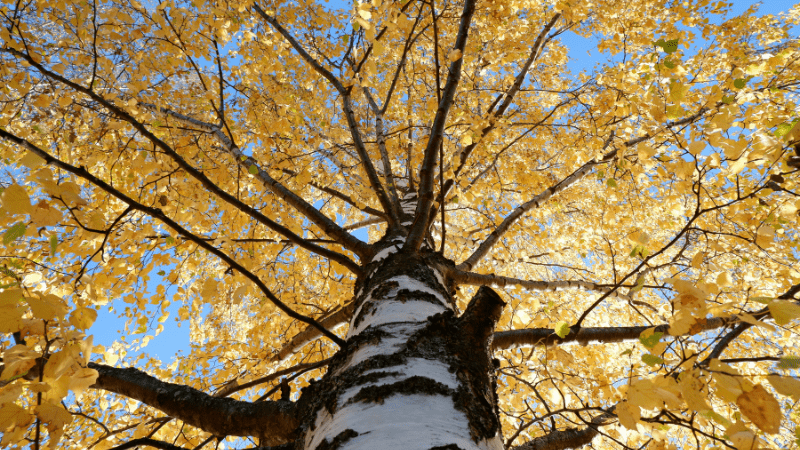
As cold weather approaches across Western Canada, preparing your urban landscape for snow, frost, and freezing temperatures becomes essential. Winter brings severe environmental stressors that threaten young and mature trees alike.
Without adequate tree protection, sudden freeze-thaw cycles, aggressive winter sunlight, and hungry wildlife can cause structural damage, bark loss, or total tree failure.
Below, our ISA-certified arborists break down why winter tree protection matters, how to install protective tree wraps correctly, and the critical mistakes to avoid this season.
Winter landscapes expose bark to rapid temperature swings and harsh weather conditions. Trees lack thermal regulation, leaving thin-skinned and young specimens particularly vulnerable. Proper tree protection acts as an essential buffer against:
Setting up physical tree guards and bark wrapping late in the autumn helps maintain healthy vascular tissue, ensuring a smooth transition into spring leaf-out.
When deep snow covers standard food sources, mice, voles, rabbits, and deer turn to tree bark as a primary nutrient source.
Wildlife Damage Risk Levels Throughout the Year
High Risk |=============================| (Nov – Mar: Heavy Snow)
Medium Risk |==========| (Apr – May / Sep – Oct)
Low Risk |====| (Jun – Aug: Abundant Forage)
How Wildlife Harms Trees
Small rodents chew bark at or beneath the snowline, leading to girdling—the complete destruction of the inner bark (phloem) layer in a ring around the trunk. Because nutrients cannot travel between the roots and leaves, girdled trees typically die by early summer. Larger mammals like deer inflict physical wounds by rubbing antlers or stripping mature bark higher up.
Effective Wildlife Protection Barriers
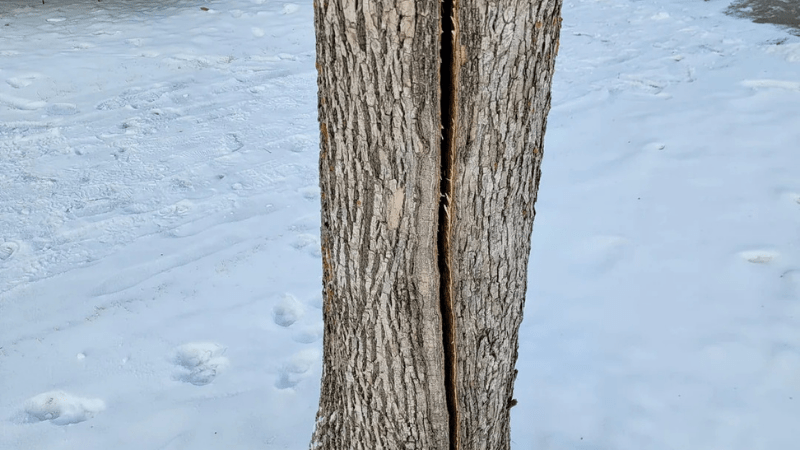
Two of the most destructive cold-weather issues are sunscald (southwest injury) and frost cracking.
| Condition | Primary Cause | Visible Symptoms | Most At-Risk Trees |
|---|---|---|---|
| Sunscald | Intense afternoon winter sun heats dark bark, waking dormant tissue. Night freezing kills the active cells. | Sunken, discolored, cracked, or peeling bark on the south/southwest side. | Young trees, smooth-barked fruit trees, Maples, Ashes, Lindens. |
| Frost Cracks | Extreme temperature drops cause outer bark to contract faster than inner wood. | Vertical, deep fissures opening along the main stem during deep freezes. | Thin-barked deciduous trees, previously wounded stems. |
Light-colored or paper tree wrap reflects solar radiation, keeping trunk temperatures stable and dormant even during warm, sunny winter afternoons.
Proper timing and application technique dictate whether tree wrap protects the trunk or creates hidden moisture issues.
WINTER TREE WRAP TIMELINE
[Late October / Early November] –> Apply tree wrap before ground freezes
[December – March] –> Monitor wrap integrity after severe storms
[April / After Last Frost] –> Remove wrap to prevent heat & pest buildup
Step-by-Step Installation Guide
Not every tree in your yard requires full winter wrapping, but newly installed and smooth-barked trees lack natural thermal mass.
Priority Candidates for Winter Protection:
Mature, rough-barked trees (such as fully grown Bur Oaks or mature Spruces) generally feature thick outer bark capable of insulating inner cambium layers naturally.
Improper installation can inflict more harm than leaving a tree exposed. Watch out for these common arboricultural oversights:
Expert Tree Care & Winter Preparation
Integrating physical trunk protection into your fall lawn and tree maintenance checklist guards your property’s canopy investment. Combining quality tree wrap with proper deep-root watering, correct mulching, and strategic autumn pruning gives your trees everything they need to thrive come spring. Contact us today for a free estimate!
Other Resources: