How to Care for Your Trees in the Intense Summer Heat
Summer in our part of the world is a welcome reprieve from the frigid temperatures...
READ MORE
Say hello to beautiful trees. Tell us your location to get the best tree care services for your area!

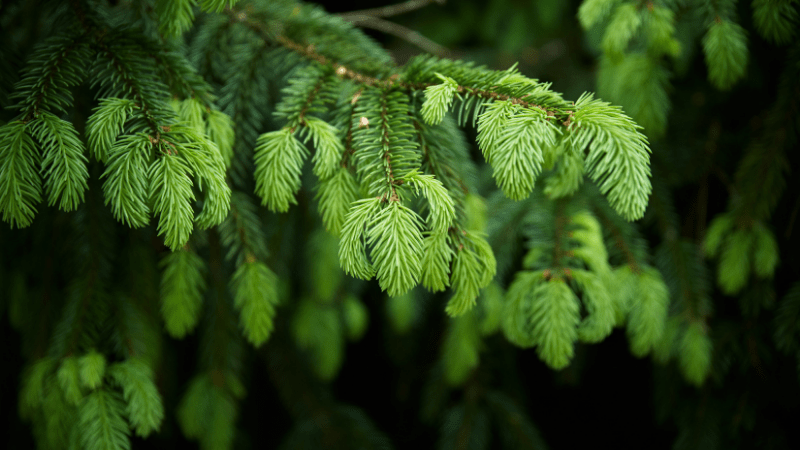
Planting a new tree is an investment in your yard’s future. However, growing trees on the Canadian Prairies comes with a unique set of challenges. Between sub-zero winter deep freezes, sudden spring thaws, chinook winds, and scorching, dry summers, Prairie weather can be tough on urban canopies.
At Green Drop, our team of ISA-Certified Arborists spends every day diagnosing, pruning, and caring for trees across Western Canada. We’ve seen firsthand which species thrive long-term and which ones struggle when the first arctic blast hits.
If you want to plant a landscape that stands the test of time, picking hardy trees built for our climate is the single most important step. Here is our professional guide to choosing trees that will stay healthy, vibrant, and resilient for decades to come.
Before falling in love with a tree at the local nursery, check its plant hardiness zone. Canada’s plant hardiness scale ranks regions from 0 (coldest) to 9 (warmest) based on winter minimum temperatures, frost-free days, rainfall, and wind.
Most Prairie cities fall within the following zones:
To ensure your investment survives, choose trees rated for Zone 2 or Zone 3. Planting a species rated for Zone 5 might survive a mild winter, but a single harsh Prairie freeze can kill unhardened branches or damage root systems beyond recovery.
When selecting hardy trees, you will generally choose between two categories:
Arborist Tip: Aim for a mix! Native species offer maximum ecological benefit for local birds and pollinators, while hardy adapted species add unique textures, autumn colors, and leaf shapes to your yard.
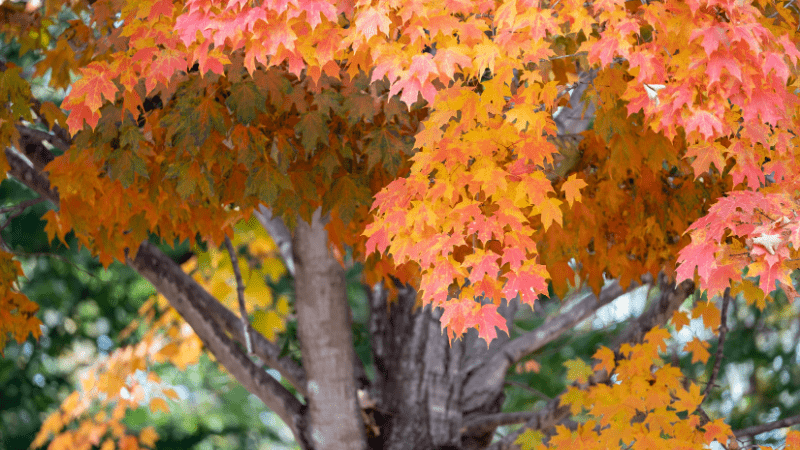
One of the biggest mistakes homeowners make is planting a monoculture—filling an entire property line with a single tree species.
When a pest or pathogen enters the neighborhood, monocultures allow it to spread like wildfire. We have seen this play out with Dutch Elm Disease, Emerald Ash Borer, and Black Knot fungus.
By incorporating species diversity into your yard and community, you create a natural buffer. If a pest attacks one specific tree type, the rest of your landscape remains protected and healthy.
“Hardiness” isn’t just about cold temperatures—it’s also about how well a tree handles its immediate environment. Before selecting a tree, assess your yard for these key factors:
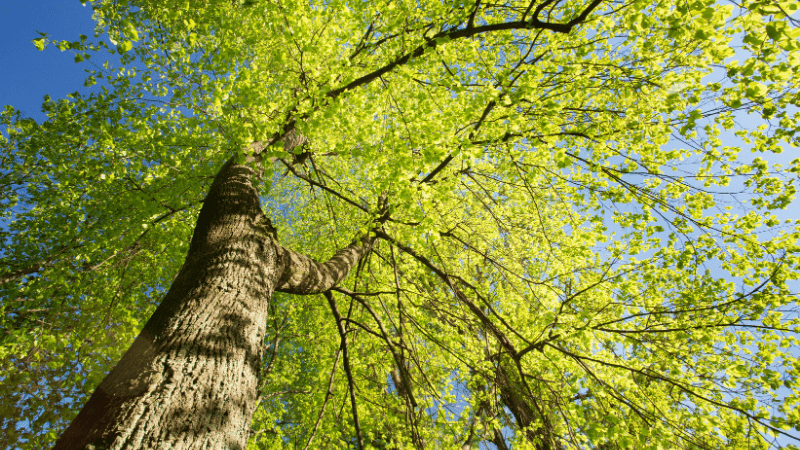
Looking for battle-tested species that handle Prairie life with ease? Here are a few top recommendations from our certified arborists:
| Tree Species | Type | Cold Zone | Key Features & Strengths |
|---|---|---|---|
| Bur Oak (Quercus macrocarpa) | Deciduous | Zone 2a | Exceptionally hardy native shade tree; highly resistant to drought and strong winds. |
| White Spruce (Picea glauca) | Evergreen | Zone 2 | Native evergreen providing year-round privacy, windbreak protection, and winter color. |
| Amur Maple (Acer ginnala) | Small Tree/Shrub | Zone 2 | Compact grower featuring brilliant fiery red autumn foliage; excellent for smaller yards. |
| Paper Birch (Betula papyrifera) | Deciduous | Zone 2 | Striking white bark and beautiful yellow fall color; thrives in moist, well-draining soil. |
| Siberian Larch (Larix sibirica) | Deciduous Conifer | Zone 2 | Unique needle-bearing tree that drops its golden needles in autumn; extremely cold-hardy. |
Give Your Trees the Best Start with Green Drop
Selecting the right hardy trees is only the first step! Proper planting depth, deep-root fertilization, watering schedules, and preventative pruning make all the difference in helping a young tree establish strong roots.
If you need expert guidance on choosing, planting, or maintaining trees for your Western Canadian property, Green Drop is here to help. Our team of ISA-Certified Arborists offers personalized consultations, deep-root treatments, and comprehensive plant health care to keep your urban canopy thriving year-round.


