How to Care for Your Trees in the Intense Summer Heat
Summer in our part of the world is a welcome reprieve from the frigid temperatures...
READ MORE
Say hello to beautiful trees. Tell us your location to get the best tree care services for your area!

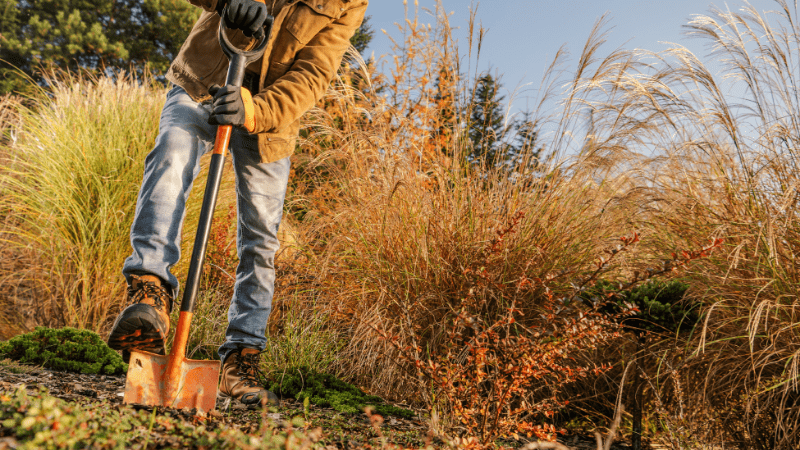
When most homeowners think about adding new trees to their landscape, spring is often the first season that comes to mind. However, ask any International Society of Arboriculture (ISA) Certified Arborist, and they’ll tell you a different story: fall is often the absolute best time for tree planting.
During the autumn months, cooler air temperatures reduce moisture loss from leaves, while the warm soil encourages rapid root growth. This gives your new tree a head start to establish its root system before winter dormancy sets in, leading to vibrant growth come spring.
However, successfully setting down new roots takes more than just digging a quick hole and adding water. Proper tree planting requires careful site evaluation, smart stock selection, and strategic preparation. Here is our step-by-step arborist guide to preparing your yard for fall planting success.
A tree is a long-term investment in your property’s beauty and value. To ensure it thrives for decades, you must choose a site that accommodates both its immediate needs and its mature size.
Mind the Canopy and Root Spread
Before picking a spot, research the tree’s anticipated mature height and canopy width. Planting too close to structures or property lines creates future hazards and requires aggressive pruning later on.
Sunlight and Microclimates
Pay attention to how sun exposure changes in your yard during the fall. Select full-sun spots for sun-loving species or partially shaded areas for understory trees. Additionally, consider wind patterns—planting on exposed, windy slopes may require extra protection or staking during establishment.
Healthy soil is the foundation of a healthy tree. In urban and suburban landscapes, heavy clay or compacted dirt often hampers root establishment.
Performing a Simple Perk Test
To test soil drainage before planting:
If the water drains within 1 to 2 hours, you have excellent drainage. If water sits for longer than 4 to 6 hours, you have heavy clay or a high water table. In poorly draining soils, you’ll want to select water-tolerant species or plant slightly elevated on a broad, wide mound.
Proper Hole Excavation
One of the most common mistakes in DIY tree planting is digging a hole that is too deep and too narrow.
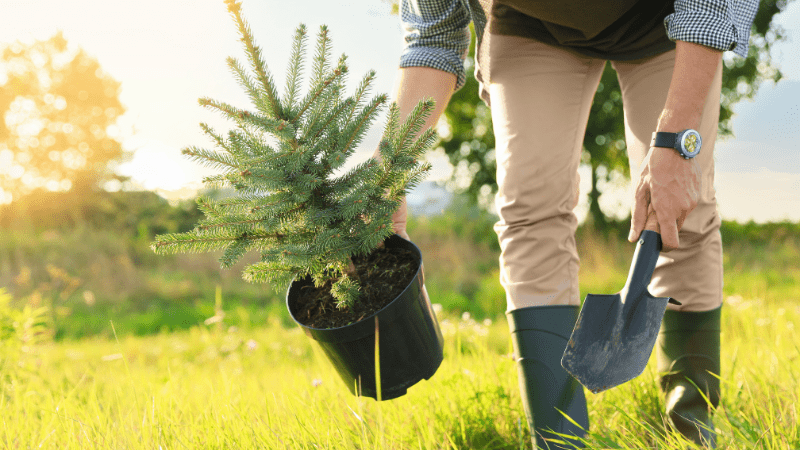
Never put a shovel in the ground without checking underground utility lines!
Calling local utility locators before digging is not only crucial for safety—it’s often the law. Underground gas, electrical, water, and telecommunications lines can be buried surprisingly close to the surface. Hit one, and you risk dangerous accidents, hefty repair bills, and service outages for your neighborhood.
Overhead Utility Lines
Look up, too! Always check overhead power lines before choosing tall-growing canopy trees. Underneath high-voltage utility lines, stick strictly to low-growing or dwarf ornamental tree varieties.
Selecting high-quality nursery stock gives your tree the best odds for quick establishment and long-term health. Tree stock generally comes in three standard options:
| Stock Type | Pros | Cons | Best For |
|---|---|---|---|
| Container-Grown | Convenient, easy to transport, flexible planting window. | Prone to circling or girdling roots. | Homeowners looking for manageable size & easy handling. |
| Balled & Burlapped (B&B) | Larger initial tree size, sturdy root mass. | Heavy root ball; requires removing wire/burlap during planting. | Creating immediate shade or screening. |
| Bare-Root | Cost-effective, full root visibility. | Must be planted immediately; sensitive to drying out. | Early fall planting of smaller saplings. |
What Arborists Look For:
Your tree planting process isn’t finished once the soil is backfilled. A solid post-planting routine guarantees your new investment makes it safely through its first winter.
Deep Watering Before Freeze-Up
Newly planted trees need deep, consistent watering. Even as autumn air turns crisp, the roots remain active underground until the soil freezes. Apply a slow, deep soak once or twice a week up until the ground locks up for winter.
Mulch Properly (“Donut,” Not “Volcano”)
Apply a 2 to 4-inch layer of organic mulch (such as shredded bark or wood chips) over the entire planting hole area.
Staking Only When Necessary
Avoid staking every tree by default. Trees that flex naturally in the wind develop stronger trunk tapers and root systems over time. Only stake if you’re planting in high-wind conditions, on a steep slope, or if the root ball is unstable. Remove ties after one growing season.
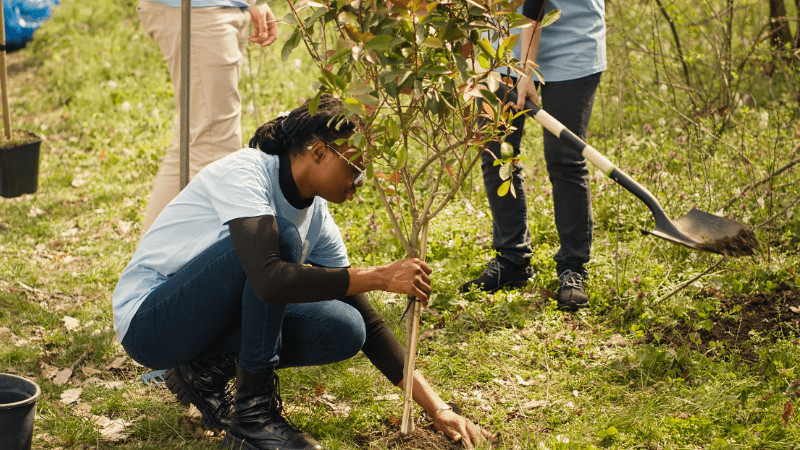
Proper fall tree planting sets the stage for decades of shade, vibrant color, and increased property value. Whether you need help selecting native species suited for your local climate, evaluating soil conditions, or getting large caliper trees professionally planted, working with certified professionals ensures the job is done right.
At Green Drop Trees, our team of ISA-Certified Arborists handles everything from site assessment to precision planting and ongoing plant health care. Contact us today for a free estimate or to schedule your fall tree consultation!


