How to Care for Your Trees in the Intense Summer Heat
Summer in our part of the world is a welcome reprieve from the frigid temperatures...
READ MORE
Say hello to beautiful trees. Tell us your location to get the best tree care services for your area!

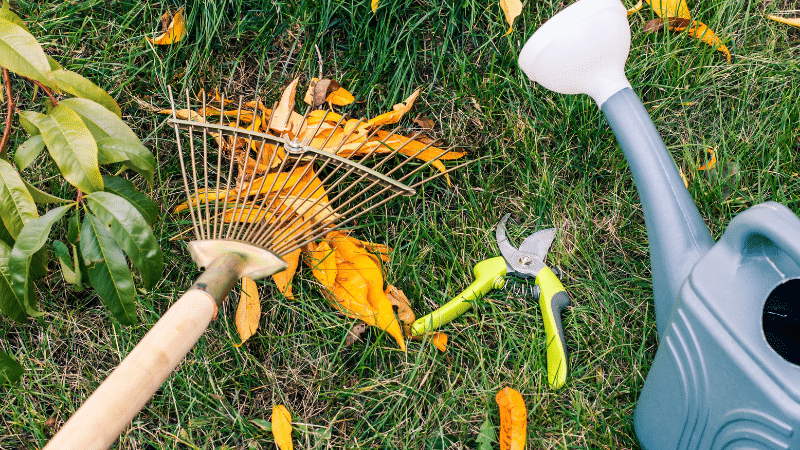
When the crisp autumn air sets in across Western Canada, it’s easy to focus on clearing garden beds, raking leaves, and winterizing patio furniture. However, your yard’s most valuable assets—your trees—need dedicated attention before the ground freezes solid.
Many home and property owners assume trees simply shut down during the colder months. While growth slows, the winter environment poses real risks: severe frost heaving, sunscald, root dehydration, and heavy snow loads that threaten structural integrity.
Taking proactive steps for preparing trees for winter ensures your urban canopy survives freeze-and-thaw cycles safely and bursts into healthy leaf growth come spring. Our ISA-certified arborists at Green Drop have put together this essential autumn guide to winterize your trees.
One of the most critical steps in preparing trees for winter is giving them a thorough, deep soaking late in the autumn season.
Once the topsoil freezes hard, roots cannot pull up fresh water. Trees—especially evergreens, which keep their foliage all winter—continue to lose moisture through needle transpiration and cold wind exposure. Moist soil also retains heat better than dry, air-pocketed soil, giving root systems an insulating thermal blanket when sudden drops in temperature hit.
Arborist Tips for Late-Fall Deep Soak:

Mulch is like a cozy winter coat for your tree’s root system. Fluctuating temperatures during late fall and early spring cause soil to expand and contract—a process known as frost heaving. This movement can tear delicate feeder roots and push shallow root systems right out of the soil.
Applying a fresh layer of organic wood chips or shredded bark helps moderate soil temperatures and locks in essential soil moisture.
The “Donut, Not Volcano” Rule
Spread a 3 to 4-inch layer of organic mulch across the root zone. Pull the mulch back 3 to 6 inches from the tree trunk to form a flat donut ring. Never pile mulch directly against the bark (“mulch volcanoes”), as trapped moisture leads to fungal rot and creates a warm sanctuary for chewing pests like mice and voles.
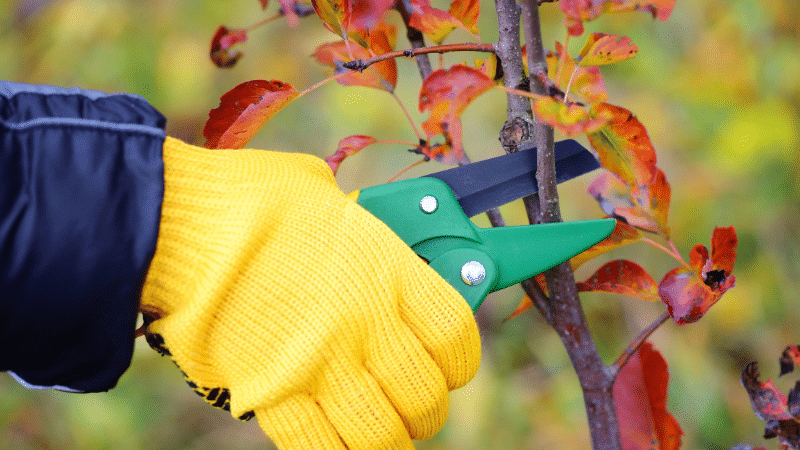
Heavy snow, freezing rain, and high wind conditions exert massive mechanical stress on tree canopies. Weak, decayed, or dead branches are prone to snapping under the weight of accumulated snow, causing severe structural damage or creating major safety hazards on your property.
Before winter arrives, visually inspect your canopy for clear hazard signals:
Arborist Note: Fall is an excellent time for safety inspections, but avoid structural, heavy pruning late in autumn. Heavy cuts can stimulate a late burst of tender growth that dies back in the first hard freeze. For hazard abatement or dormant structural pruning, schedule a consultation with an ISA-certified arborist.
Younger trees lack the thick, corky bark and expansive root systems of mature shade trees, making them highly sensitive to winter burn, pest browsing, and sunscald.
| Threat | What Happens | Preventive Measure |
|---|---|---|
| Sunscald (Southwest Injury) | Warm winter sun heats dark bark on sunny days, reactivating cells that freeze instantly when temperatures plummet at dusk, splitting the bark. | Wrap young trunks from the base up to the first branches with commercial white tree guard or breathable burlap wrap. |
| Pests & Rodents | Mice, voles, and rabbits strip soft bark near the snowpack line when food becomes scarce, girdling the tree. | Install a rigid wire mesh guard (hardware cloth) around the lower trunk, ensuring it extends above expected snow levels. |
When preparing trees for winter, timing is everything. Starting too early or waiting until the first major snowstorm can reduce the effectiveness of your care routine.
Proper fall prep keeps your trees healthy, beautiful, and safe for years to come. If you have large trees requiring hazardous deadwood removal, or if you want a professional health assessment before freeze-up, Green Drop’s ISA-certified arborists are here to help.
Book Your Free Assessment with a Green Drop Arborist Today!
Other Resources: