How to Care for Your Trees in the Intense Summer Heat
Summer in our part of the world is a welcome reprieve from the frigid temperatures...
READ MORE
Say hello to beautiful trees. Tell us your location to get the best tree care services for your area!


As autumn sets in across Western Canada, trees begin shedding their leaves and landscape activity starts to quiet down. It is easy to assume your trees are entering a total shutdown for the season. However, beneath the surface, a crucial phase of tree health is just beginning.
At Green Drop Trees, our team of ISA-Certified Arborists spends fall preparing landscapes for the harsh winter months ahead. While the canopy above ground goes dormant, the root system below ground enters a prime period of activity. Understanding root establishment before winter—and taking the right proactive steps—can mean the difference between a tree that merely survives winter and one that thrives come spring.
Here is what every homeowner needs to know about root establishment before the ground freezes, along with actionable steps to safeguard your trees.
Many people associate leaf drop with tree dormancy, but dormancy actually happens in stages.
When deciduous trees lose their foliage in late summer and early autumn, above-ground shoot growth halts to conserve energy. However, soil temperatures cool down much more slowly than air temperatures. As long as the soil temperature remains above freezing (typically above 4°C or 40°F), tree roots remain active.
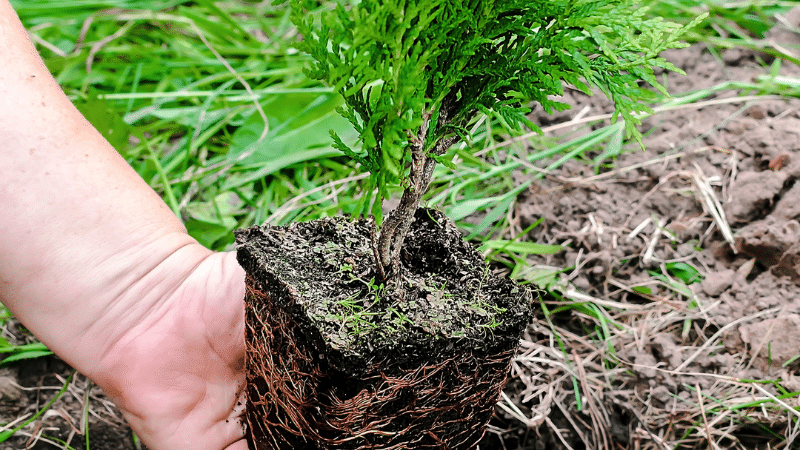
During this window, trees no longer need to allocate energy to leaf production, fruiting, or branch extension. Instead, all retained carbohydrate reserves are funneled downward. This creates ideal conditions for root growth and expansion, allowing newly planted and established trees alike to anchor securely into surrounding soil before deep frost locks the ground.
Watering trees in late autumn is one of the most effective steps you can take to foster strong root establishment.
Once frost sets in, frozen ground acts as a barrier that prevents moisture from reaching the root zone. Trees enter the long Canadian winter reliant entirely on moisture stored in the soil before the freeze.
Arborist Tip: Apply a deep soak late in the season (until the ground freezes). Use a slow drip or soaker hose near the drip line—the outer perimeter of the tree’s canopy where active root tips feed.
If deep watering provides the hydration, mulch acts as the protective blanket. Applying organic mulch around the base of your trees offers essential benefits for root establishment:
Proper Mulching Technique:
When a tree goes into winter with an underdeveloped, stressed, or dehydrated root system, the damage often remains hidden until the following spring.
Risks of Poor Root Establishment
| Hazard |
Impact on Tree Health |
| Winter Drought | Roots dry out, leading to canopy dieback in spring. |
| Frost Heaving | Soil shifting snaps young feeder roots. |
| Root Mortality | Shallow roots freeze solid and die without insulation. |
| Delayed Spring Flush | Stunted growth and increased pest vulnerability |
Trees suffering from weak root establishment frequently display sparse leaf growth, dieback in upper branches, or total failure to leaf out when warmer weather returns.
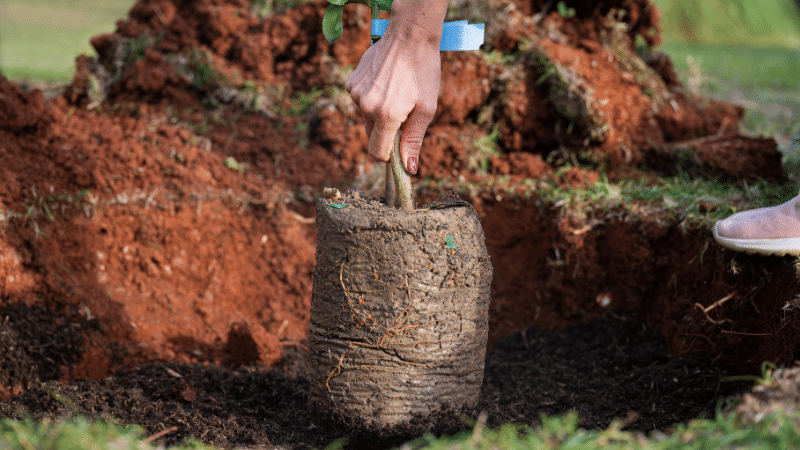
Promoting successful root establishment starts long before winter arrives. At Green Drop Trees, our ISA-Certified Arborists apply scientific plant health care techniques during autumn planting and maintenance:
Fall is not the end of the tree care season—it is the foundation for next year’s growth. By giving your trees deep hydration, proper mulching, and professional root care before the frost sets in, you protect your landscape investment through the winter.
Need expert help preparing your trees for winter? Book Your Free Assessment with a Green Drop Arborist Today!


