How to Care for Your Trees in the Intense Summer Heat
Summer in our part of the world is a welcome reprieve from the frigid temperatures...
READ MORE
Say hello to beautiful trees. Tell us your location to get the best tree care services for your area!

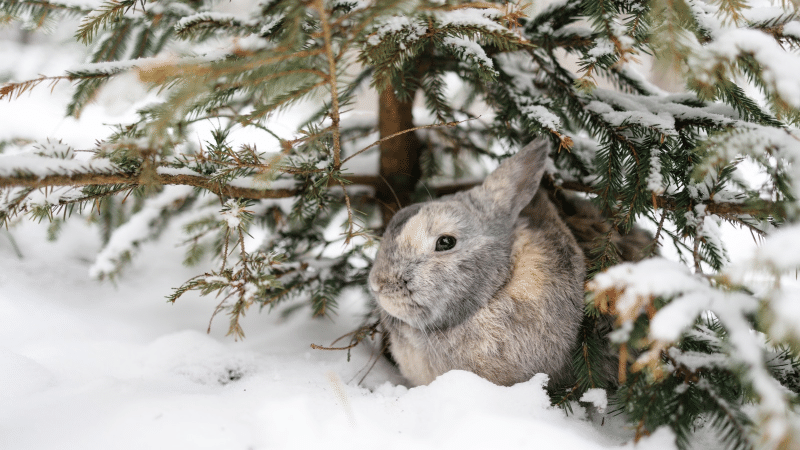
When winter settles in across Canada, food sources for local wildlife become scarce. While we often think of winter tree care in terms of heavy snow loads and freezing temperatures, hungry backyard critters pose one of the biggest threats to your landscape.
As professional arborists, we frequently see young saplings severely damaged or completely killed overnight by winter feeding. Understanding how to safeguard your landscape starts with protecting young trees from rabbits and voles before the deep freeze arrives.
While hungry wildlife will nibble on almost anything when food is scarce, certain species are top priority for winter foraging. The species most at risk in suburban landscapes include:
When small animals strip bark entirely around a trunk—a process known as girdling—it cuts off the flow of nutrients between the roots and leaves, ultimately killing the tree.
Rabbits feed on the trunk and lower branches above ground level. A common mistake home gardeners make is installing tree guards that are too short.
Rabbits stand on top of packed snow drifts to reach higher up the trunk. To ensure effective barrier protection:
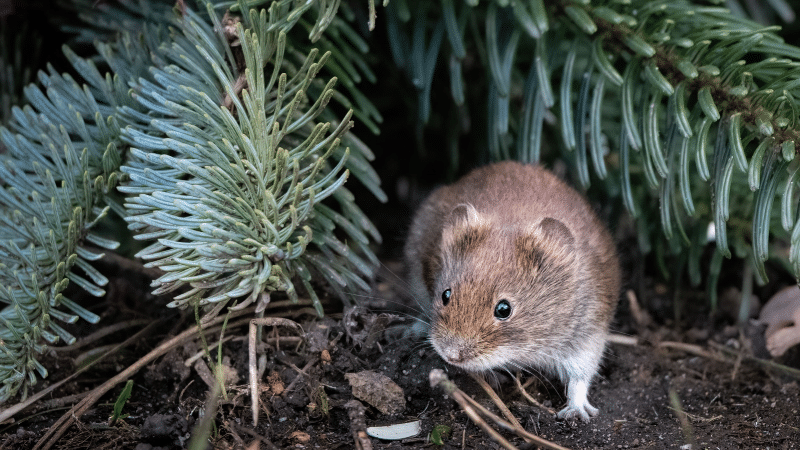
Unlike rabbits, voles (often called field mice) operate at ground level under the cover of snow and debris. They chew directly into the root collar and lower stem, hiding out where predators can’t spot them.
To make your yard unwelcoming to voles:
Protecting young trees doesn’t stop when the snow melts. One critical step many property owners forget is spring maintenance.
Leaving protective guards on indefinitely can trap excess moisture, attract insects, or girdle the expanding trunk as the tree grows during spring flush. As soon as the ground thaws and natural food sources return in spring:
Taking proactive steps now ensures your young investment survives the harsh winter and thrives come spring. If you’re unsure about the health of your young trees or need professional winterization assistance, consult Green Drop’s ISA-certified arborists to keep your green space vibrant and protected.
Other Resources: