How to Care for Your Trees in the Intense Summer Heat
Summer in our part of the world is a welcome reprieve from the frigid temperatures...
READ MORE
Say hello to beautiful trees. Tell us your location to get the best tree care services for your area!

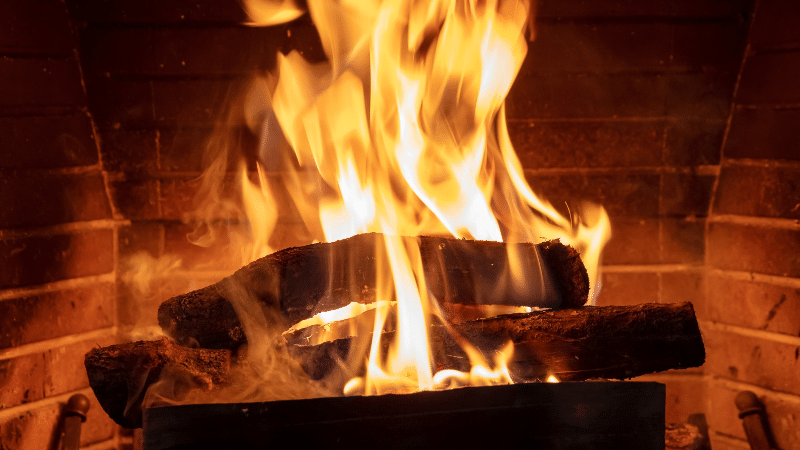
When the cool autumn air settles across Western Canada, stocking up on firewood is a top priority for many homeowners. However, if you are clearing dead branches from your yard or buying logs from a local seller, there is one critical rule every homeowner must know: storing, transporting, or selling elm firewood is illegal across the Canadian Prairies.
As certified arborists at Green Drop, we see the devastating impact of Dutch Elm Disease (DED) firsthand. American elms form the backbone of urban forests in cities like Winnipeg, Regina, Saskatoon, Calgary, and Edmonton. Protecting these magnificent canopy trees starts with understanding why elm firewood poses such a massive threat—and how to handle it responsibly.
The ban on elm firewood isn’t about arbitrary regulations; it’s a vital biological control measure. Dutch Elm Disease is caused by a micro-fungus (Ophiostoma ulmi or Ophiostoma novo-ulmi) that attacks a tree’s vascular system, causing leaves to wilt, turn brown, and die rapidly.
The primary vectors for this fungus are tiny creatures called elm bark beetles (both native and European species).
A single stack of elm firewood resting in your backyard can harbor tens of thousands of beetles, effectively creating a ground-zero nursery for DED that can wipe out entire neighborhood canopies.
To prevent the movement of bark beetles, provincial legislation strictly regulates how elm wood is handled across all three Prairie provinces:
Note: Violating these provincial pest control regulations can result in steep fines and mandatory confiscation and destruction of your wood pile.
If municipal or provincial foresters inspect trees in your neighborhood, you may occasionally see specific markings on an elm tree in a park or private yard:
If you spot an orange-painted or tagged elm tree on your property, do not cut it down for firewood. The entire tree must be handled, cut, and immediately hauled away by authorized personnel to an official disposal facility.
Before buying firewood or chopping up fallen limbs, take a moment to confirm the species. If you aren’t sure whether a log is elm, look for these distinct characteristics:
| Feature | Elm Wood Characteristics | Other Prairie Hardwoods (Birch, Ash, Oak) |
|---|---|---|
| Bark | Thick, deeply furrowed with alternating light brown and dark chocolate-colored layers when broken open. | Birch has paper-like, peeling bark; Ash features a distinct diamond-shaped ridge pattern. |
| Wood Grain | Interlocked, wavy grain. Extremely difficult to split with an axe; tends to shred or string apart. | Straight-grained wood that splits cleanly along the growth rings. |
| Odor | Freshly cut or damp elm often has a noticeable, sour, or musk-like smell. | Birch and Oak have pleasant, sweet, or neutral woody aromas. |
If you are ever uncertain about the species of wood in your pile, treat it as potential elm wood and consult an arborist.
If you discover elm firewood on your property, take immediate steps to dispose of it safely and legally. Do not put it out for curbside yard waste pickup or take it to a standard campsite.
Chipping elm branches and logs into small pieces (under 5 cm) destroys the beetle habitat beneath the bark and dries out the wood quickly, preventing beetles from breeding. Chipped elm mulch is safe to use in landscaping.
Most Prairie cities operate specialized elm disposal locations or designated landfill cells equipped to bury or burn elm wood immediately upon delivery. Check your local municipal website (e.g., City of Winnipeg, City of Regina, City of Calgary, City of Edmonton) for designated drop-off sites.
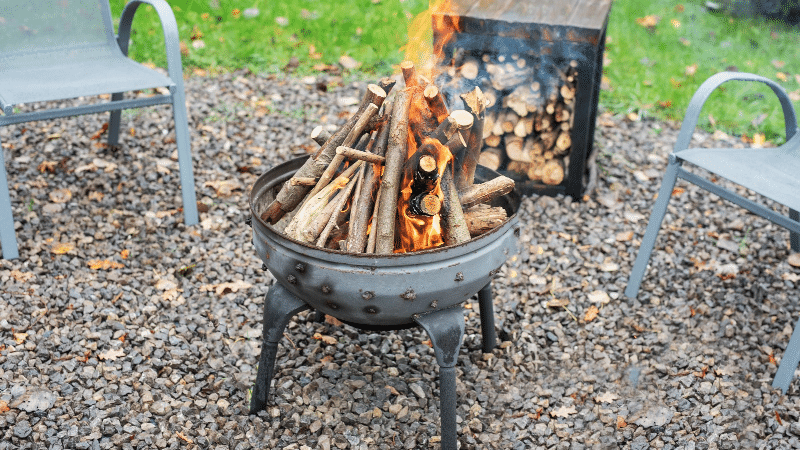
Protecting our urban forest is a shared effort. When purchasing firewood for indoor fireplaces, outdoor fire pits, or camping trips:
Managing elms requires expert knowledge, specialized equipment, and adherence to strict provincial laws. At Green Drop, our ISA-certified arborists provide complete elm care solutions for residential homeowners, commercial properties, and municipalities:
Protect your property and help preserve the Prairie canopy. Contact Green Drop today to schedule an inspection with an ISA-certified arborist.
Other Resources: