How to Care for Your Trees in the Intense Summer Heat
Summer in our part of the world is a welcome reprieve from the frigid temperatures...
READ MORE
Say hello to beautiful trees. Tell us your location to get the best tree care services for your area!

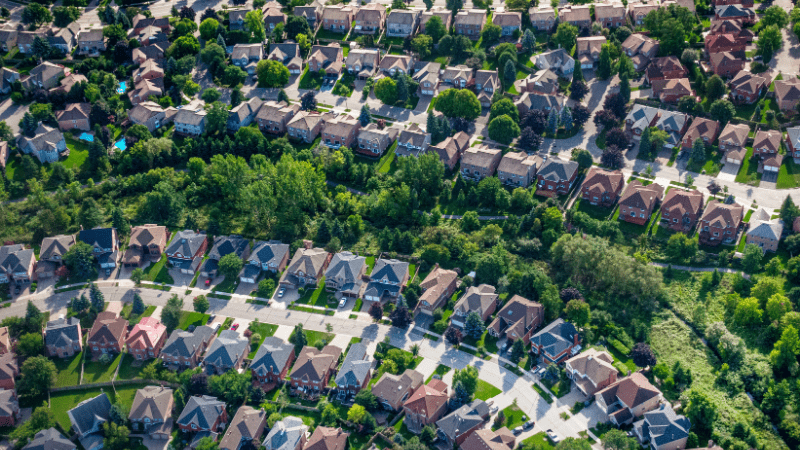
As arborists, we spend most of our days looking up. We evaluate the structural integrity of a White Oak, the nutrient needs of a struggling Sugar Maple, or the pruning requirements of a sprawling River Birch. But when we step back and look at the “big picture”—what we call the tree canopy—we see more than just individual plants. We see a vital organ of urban infrastructure.
The tree canopy is the layer of leaves, branches, and stems of trees that cover the ground when viewed from above. In cities and suburban neighborhoods, this green shield is our first line of defense against a changing climate and rising energy costs. Investing in your canopy isn’t just about aesthetics; it’s a high-yield investment in environmental health and financial equity.
Here is why expanding and maintaining the tree canopy is the smartest move a homeowner or municipality can make.
If you’ve ever walked from a sun-drenched asphalt parking lot into the shade of a mature Oak tree, you’ve felt the immediate relief. This isn’t just a “feeling”—it is physics in action.
Urban areas suffer from the “Urban Heat Island” effect, where hard surfaces like pavement and roofing absorb heat during the day and radiate it back at night. A robust tree canopy breaks this cycle in two ways:
Research shows that homes with strategic tree placement can see a reduction in air conditioning costs by 20% to 30%.
| Surface Type | Typical Summer Temperature |
|---|---|
| Asphalt Pavement | 140°F – 150°F |
| Rooftop (Dark Shingle) | 150°F – 170°F |
| Grass in Sun | 100°F – 105°F |
| Tree Canopy Shade | 85°F – 90°F |
By lowering the ambient temperature of your neighborhood, you aren’t just saving money on your own bill; you are reducing the overall demand on the electrical grid during peak summer months.
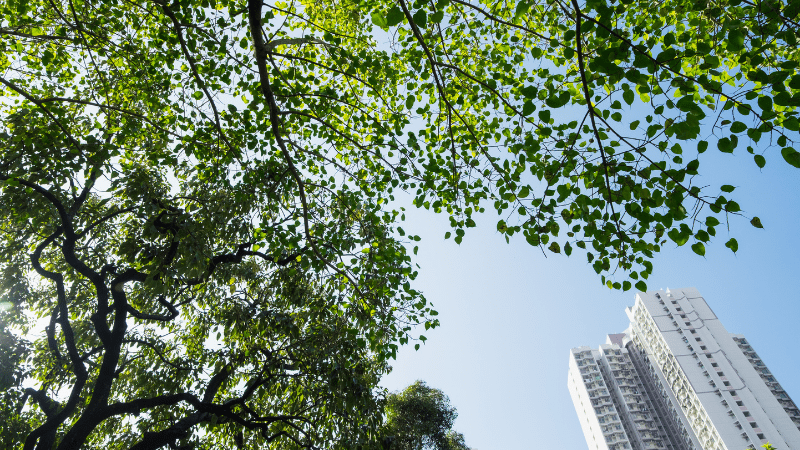
We often call trees the “lungs of the city,” and for good reason. The tree canopy acts as a massive biological filter.
The leaves of a tree collect particulate matter (PM2.5 and PM10)—the microscopic soot and dust from car exhaust and industrial activity that enters our lungs. Furthermore, through photosynthesis, trees sequester carbon dioxide and release oxygen. A healthy tree canopy in an urban environment can remove tons of pollutants annually, directly correlating to lower rates of asthma and respiratory issues in the community.
In many areas, heavy rainfall leads to overwhelmed sewer systems and localized flooding. This is where the canopy shines as a hydraulic tool. Before a raindrop even hits the soil, the tree canopy intercepts it.
A mature canopy can reduce nitrogen and phosphorus runoff into our local waterways, protecting our ecosystem from toxic algae blooms.
Many homeowners view tree care as a maintenance expense. As arborists, we encourage you to view it as property appreciation.
The data is consistent across North America: Tree canopy increases property values. A well-landscaped home with mature, healthy trees can see a price premium of 5% to 15% compared to similar homes without trees.
Why? Because “curb appeal” is rooted in biology. Humans are naturally drawn to greenery. A street lined with a lush, overarching canopy feels safer, quieter, and more “established.” This isn’t just theory; appraisers frequently adjust valuations based on the presence of “specimen trees” that provide privacy and character that a new construction home simply cannot replicate overnight.
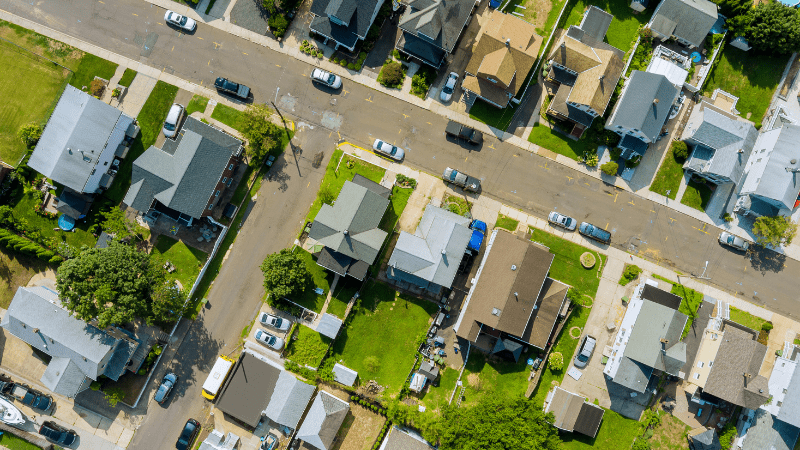
Beyond the balance sheet, the tree canopy fosters “Social Capital.” Studies have shown that neighborhoods with higher canopy cover experience:
When we plant trees, we aren’t just planting wood and leaves; we are planting the “outdoor living room” of the community.
As professional arborists at Green Drop, we often see the “expensive” side of tree care. This happens when a tree canopy is ignored for a decade, leading to structural failures during storms or the total loss of a tree due to treatable pests.
There is a massive difference in cost between Proactive Maintenance and Reactive Removal.
| Strategy | Action | Relative Cost | Long-term Impact |
|---|---|---|---|
| Proactive | Regular Pruning, Soil Health, Monitoring | $ (Low) | Tree lives 80+ years, max ROI. |
| Reactive | Emergency Storm Clean-up, Dead Tree Removal | (High) | Lost property value, hazard risk, replacement costs. |
“Cheap” tree care is planting a tree and forgetting it. “Expensive” tree care is paying the price for that forgetfulness twenty years later when a limb falls on a garage or a mature tree dies from a preventable infestation like Emerald Ash Borer. Investing in the canopy through regular arborist check-ups ensures that your “green infrastructure” continues to pay dividends rather than becoming a liability.
The best time to plant a tree was twenty years ago. The second best time is today. But planting is only the first step. To truly reap the rewards of cooling, air quality, and property value, that tree must reach maturity.
At Green Drop, we specialize in the “Long Game.” We don’t just see a tree; we see a cooling system, a carbon filter, and a financial asset. By prioritizing the health of our urban forest, we are building resilient, beautiful, and valuable neighborhoods for the next generation.
Is your tree canopy working for you? Contact a certified arborist at Green Drop today to evaluate your property’s green assets and start your journey toward a cooler, greener, and more valuable home.


