How to Care for Your Trees in the Intense Summer Heat
Summer in our part of the world is a welcome reprieve from the frigid temperatures...
READ MORE
Say hello to beautiful trees. Tell us your location to get the best tree care services for your area!

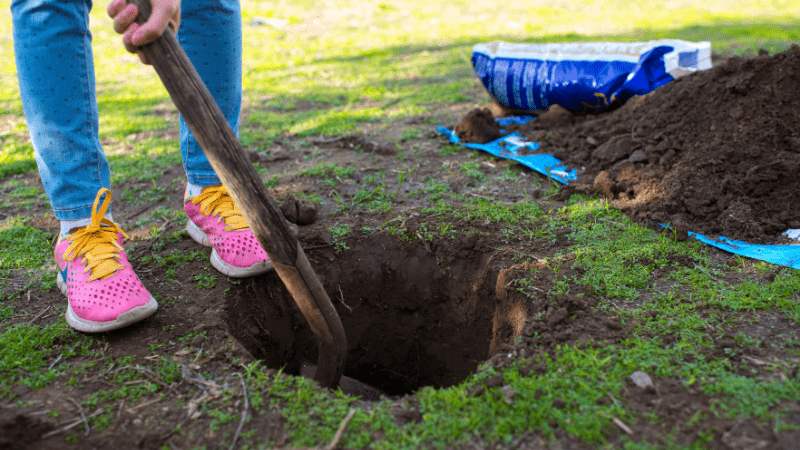
Planning to add some leafy new members to your family this season? At Green Drop, we know there’s nothing quite like the excitement of bringing home a fresh tree from the nursery. However, on the Canadian Prairies, a successful planting involves more than just a shovel and a dream.
To ensure your investment grows into a towering legacy, there are several critical steps to take before digging. From safety protocols to timing the unpredictable local weather, here is everything you need to know to get your trees off to a “root-strong” start.
Before you even pick up a spade, you must identify what lies beneath the surface. In our neck of the woods, utility lines—gas, electric, water, and fiber optics—are often buried shallower than you might expect.
Hitting a utility line isn’t just an expensive mistake; it’s a life-threatening hazard.
| Province | Primary Organization | Website | Additional Notes / Partners |
| Alberta | Utility Safety Partners | utilitysafety.ca | Combines Alberta One-Call, ABCGA, and JUST. EPCOR also provides specific local guidance for Edmonton. |
| Saskatchewan | Sask 1st Call | sask1stcall.com | Dedicated organization for locating underground facilities in the province. Often associated with Meridian Surveys. |
| Manitoba | ClickBeforeYouDigMB | clickbeforeyoudigmb.com | Operated by the Manitoba Common Ground Alliance (MCGA). Associated with CAPULC. |
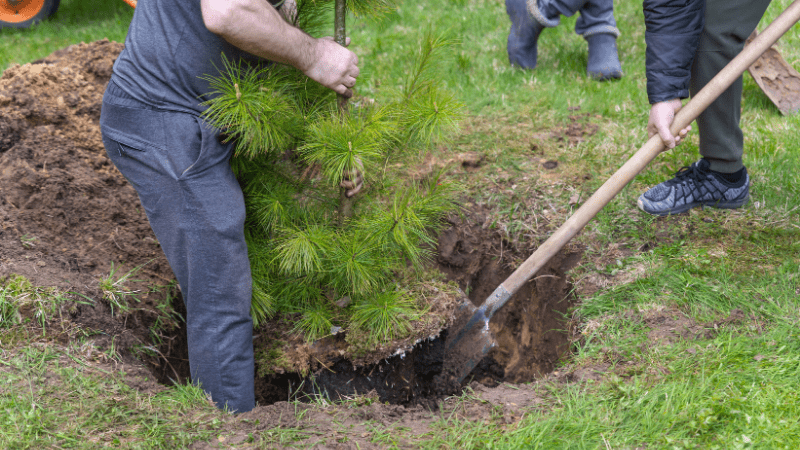
On the Prairies, our “growing season” is a sprint, not a marathon. The window before digging is dictated entirely by soil temperature and frost.
While the air might feel warm in late April, the soil often remains dormant or even frozen. Arborists look for a consistent soil temperature of at least 5°C to 10°C. Planting into soil that is too cold can shock the root system, leading to “transplant shock” before the tree even has a chance to leaf out. Keep an eye on the buds of established trees in your neighborhood; when they start to swell, the ground is usually ready.
A tree is a lifetime commitment, so choosing the right location is paramount. Before you break ground, conduct a site audit focusing on these four pillars:
We often get asked: “Can I plant in the fall?” While you can, spring is arguably the best time for Prairie homeowners.
Planting in the spring provides the tree with a full growing season to establish a robust root system before digging into the grueling heat of July and August. By the time the summer “heat dome” arrives, a spring-planted tree has already begun to anchor itself and develop the capillary roots necessary to draw moisture from the deep soil.
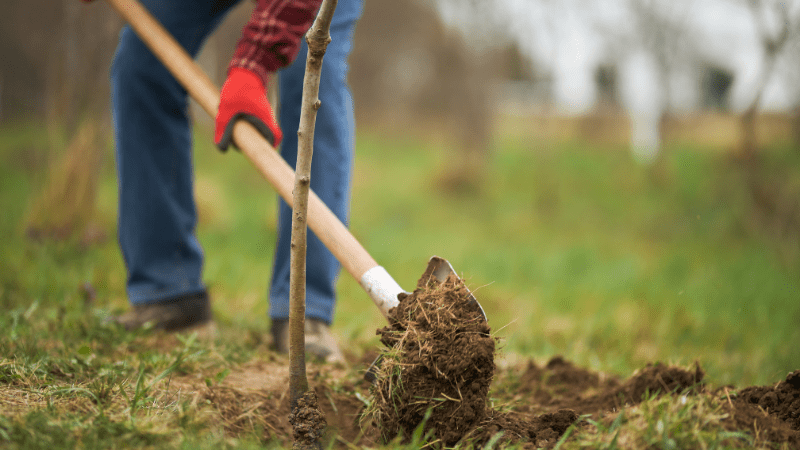
Once the tree is in the ground, your job has just begun. The first few weeks are the most volatile.
Taking the time to plan before digging makes the difference between a tree that merely survives and one that truly thrives. If you’re unsure about the best species for your yard or need professional help getting your new landscape started, the ISA-certified arborists at Green Drop are here to help.
Ready to grow? Let’s get to work—safely.


