How to Care for Your Trees in the Intense Summer Heat
Summer in our part of the world is a welcome reprieve from the frigid temperatures...
READ MORE
Say hello to beautiful trees. Tell us your location to get the best tree care services for your area!

When you live on the Prairies, you know that our landscapes are as beautiful as they are demanding. From the “polar vortex” winters of Winnipeg to the drying chinooks of Calgary, our trees have to be more than just pretty—they have to be resilient.
At Green Drop, our ISA-certified arborists are often asked: “What should I plant that won’t just survive, but actually thrive?” Choosing species that thrive in Zone 2 and 3 requires a shift in how we think about our urban canopy. It’s no longer just about the classic American Elm or the hardy Green Ash. In the wake of Dutch Elm Disease (DED) and the looming threat of Emerald Ash Borer (EAB), diversity is our best defense.
Here is our expert-curated list of the top 10 tree species for Western Canada, balanced between native stalwarts and hardy cultivars.
For decades, many Prairie streets were planted with a single species—a monoculture. While this created beautiful “cathedral” canopies, it also created a buffet for pests. If a disease hits one tree, it hits them all.
By selecting a mix of species, you create a “biological firewall.” If one species faces a threat, the rest of your landscape remains standing. When we help homeowners with tree planting, we look at the surrounding neighborhood to ensure we aren’t adding to a monoculture, but rather building a future-proof urban forest.
Category: Shade / Native
The Bur Oak is the king of Prairie resilience. It is incredibly drought-tolerant once established and can live for over 200 years.
Category: Ornamental / Shade
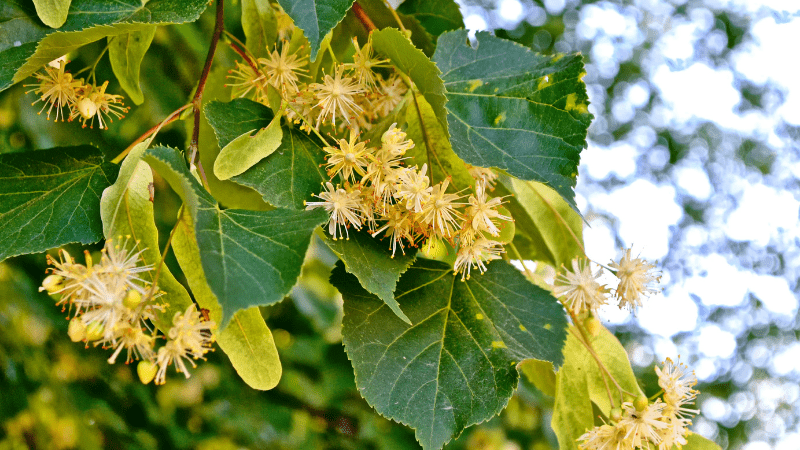
Also known as Basswood, this stately native tree is valued for its broad canopy, heart-shaped leaves, and fragrant summer flowers that attract pollinators. It grows at a moderate rate and develops into a large, symmetrical shade tree, making it a standout feature in parks and spacious residential landscapes.
Category: Shade / Fast-Growing
We love our Elms, but we have to be smart about them. The ‘Discovery’ Japanese Elm offers that classic vase shape but with high resistance to Dutch Elm Disease.
Category: Ornamental / Evergreen
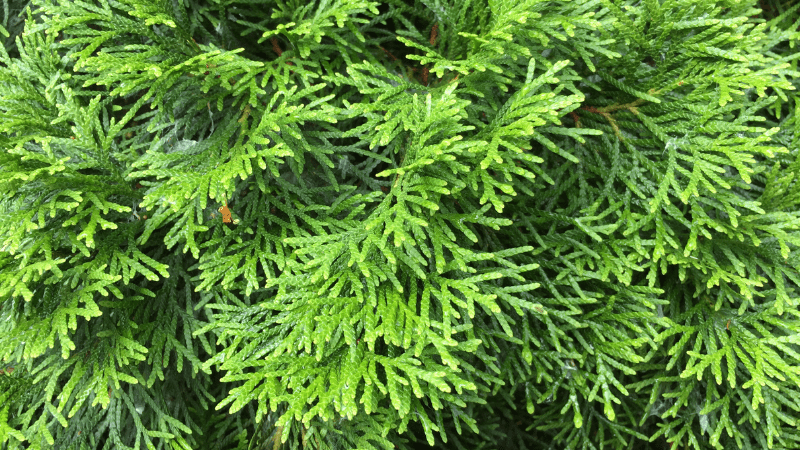
If you need a vertical accent or a living screen, the Brandon Cedar is a Prairie staple. It handles our alkaline soils and harsh winds better than most pyramidal evergreens.
Category: Ornamental / Small Space
Looking for a burst of pink in the spring and deep purple foliage all summer? The Gladiator is bred specifically for our climate and is highly resistant to fireblight.
Category: Shade / Native
Often mistaken for an Elm, the Hackberry has beautiful corky bark and is remarkably tolerant of urban pollution and salt.
Category: Ornamental / Shade
With its unique palm-like leaves and upright flower spikes, the Buckeye adds a tropical feel to a cold-climate yard. It turns a brilliant pumpkin-orange in the fall.
Category: Shade / Fast-Growing
While many Maples struggle with our soil pH, the ‘Silver Cloud’ cultivar is a hardy selection of Silver Maple that grows quickly and provides a shimmering, airy canopy.
Category: Native / Evergreen
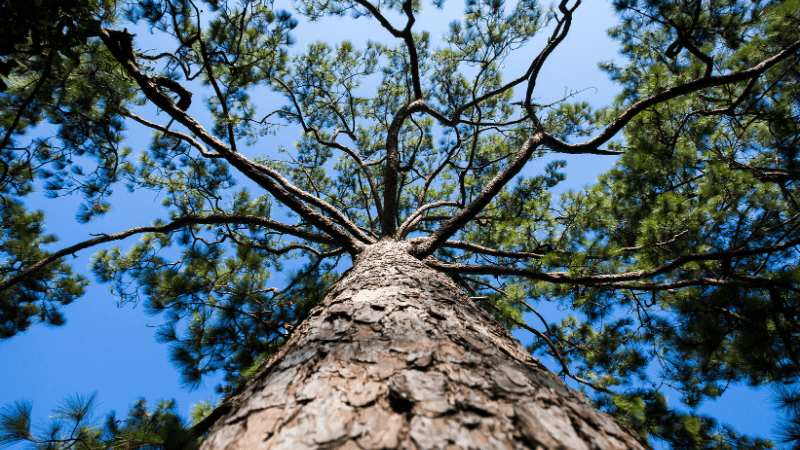
For those in the drier parts of Alberta and Saskatchewan, the Ponderosa Pine is a massive, long-needled evergreen that thrives where others wither.
Category: Ornamental / Fast-Growing
This isn’t your grandmother’s lilac bush. This is a true tree that produces massive creamy-white blooms in late June when most other trees are done flowering.
Selecting species that thrive is only half the battle. At Green Drop, we believe in the “Right Tree, Right Place” philosophy. A moisture-loving Willow won’t be happy on a dry Alberta hilltop, and a sprawling Oak shouldn’t be squeezed against a foundation.
Before you dig, consider the context:
Whether you are looking to add shade to your Edmonton backyard or need a drought-tolerant screen for your Regina property, our team is here to help. From soil analysis to professional planting and ongoing health assessments, we ensure your new additions have the best start possible.
Contact Green Drop today for a free assessment and let’s find the perfect species for your space.


