How to Care for Your Trees in the Intense Summer Heat
Summer in our part of the world is a welcome reprieve from the frigid temperatures...
READ MORE
Say hello to beautiful trees. Tell us your location to get the best tree care services for your area!

Urban environments are arguably the most hostile habitats for a tree to inhabit. Between the concrete “coffins” we call sidewalk cutouts and the constant bustle of city life, a city tree faces stressors that its forest cousins never encounter. As arborists, we often say that planting a tree is the easy part; ensuring it survives its first five years in the “urban jungle” is the real challenge.
Protecting urban trees isn’t just about aesthetics; it’s about protecting a municipal investment and ensuring the future of our urban canopy. From hungry wildlife to the unintentional destruction caused by landscaping tools, the threats are constant. In this guide, we will explore the primary causes of urban tree mortality and the proactive professional measures—like tree guards and mulch rings—that can save them.
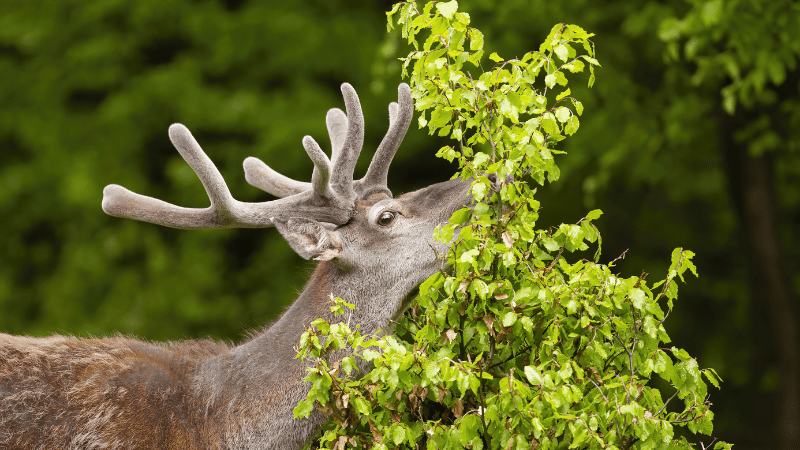
While we often think of “wildlife damage” as something that happens in the deep woods, urban wildlife is incredibly hardy and often desperate. During the late winter and early spring, food sources become scarce. This is when your young boulevard trees become a buffet.
The Damage Profile
Why Winter and Spring Matter
During these seasons, the tree is dormant and cannot actively “wall off” or compartmentalize the damage. By the time the sap begins to flow in spring, the damage is already done, often leading to a slow decline or sudden death by mid-summer.
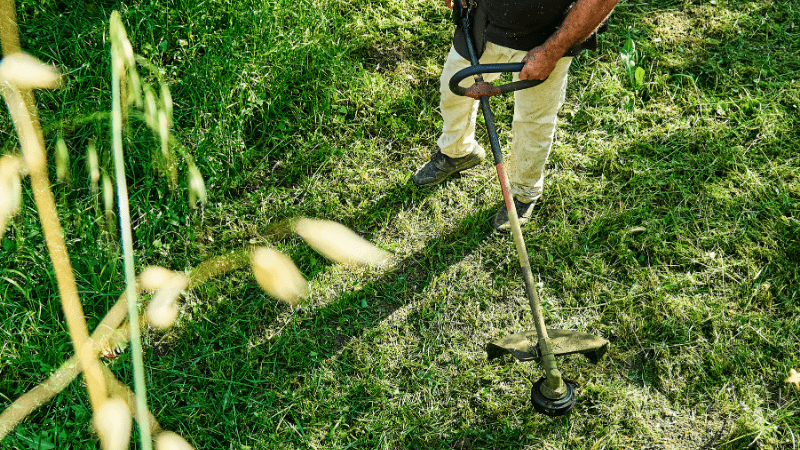
Perhaps the most frustrating cause of tree death is “mechanical damage” caused by lawn maintenance. We see it every day: a beautifully planted boulevard tree that dies within three years because of string trimmers (weedwhackers) and lawnmowers.
How a Weedwhacker Kills
The bark of a young tree is incredibly thin—sometimes no thicker than a few sheets of paper. When a string trimmer strikes the base of a tree to clear away tall grass, it acts like a high-speed saw.
Table 1: Impact of Mechanical Damage on Tree Lifespan
| Threat Source | Type of Injury | Likely Severity | Typical Outcome |
|---|---|---|---|
| String Trimmers | Girdling & Bark Shredding | 🔴 Critical | Partial or complete girdling can lead to decline or death within several years |
| Rodents/Rabbits | Winter Phloem Stripping | 🟠 High | Trees may recover from minor damage; complete girdling is often fatal |
| Lawnmowers | Root Flare Crushing | 🟠 High | Repeated injury commonly leads to decay, stress, and reduced vigor |
| Deer Rubbing | Structural Snapping | 🔴 Critical | Severe trunk girdling can cause structural failure or tree death |
As arborists, we advocate for a “defense-in-depth” strategy for protecting urban trees. The two most effective tools in our arsenal are physical tree guards and properly maintained mulch rings.
Tree Guards (The “Weeping Tile” Method)
One of the most cost-effective ways to prevent both rodent and mechanical damage is the use of perforated plastic guards, often made from recycled weeping tile or specialized spiral wraps.
The Power of the Mulch Ring
If a tree guard is a shield, a mulch ring is a “no-man’s-land” that keeps danger at a distance. A 3-to-4-foot wide ring of organic wood mulch around the base of the tree provides three critical benefits:
Pro-tip: Always follow the “3-3-3” rule: 3 inches of mulch, in a 3-foot radius, leaving a 3-inch gap around the trunk (no “mulch volcanoes”!).
Protecting a tree isn’t just about what’s happening at the trunk; it’s about the space the tree occupies. In urban settings, utility conflicts are a primary reason trees are removed prematurely.
Overhead Lines
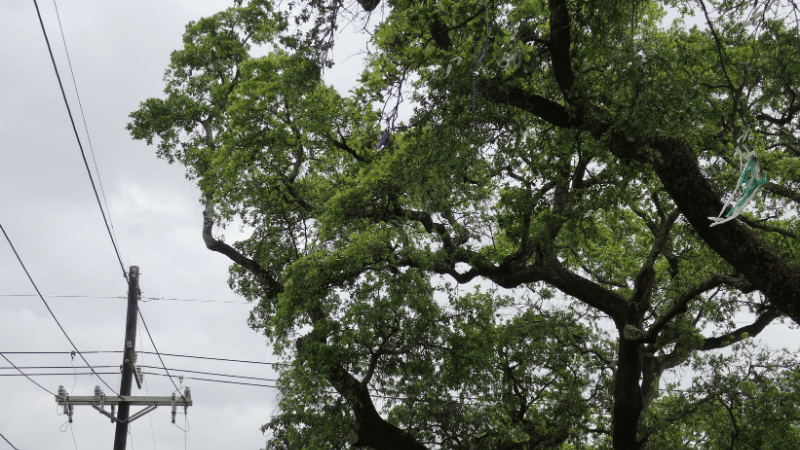
When a tree is planted directly under power lines, it is eventually subjected to “directional pruning” or topping by utility companies to maintain safety clearances. This often leaves the tree unsightly and structurally compromised.
Underground Utilities
Roots are opportunistic. They will seek out the moisture found in leaking sewer pipes or the loose, aerated soil of a utility trench.
Many municipalities and property owners hesitate at the cost of high-quality tree guards and professional mulching. However, the math tells a different story.
The Cost of Failure
When an urban tree dies, the costs include:
Table 2: Cost Comparison (Estimated over 5 Years)
| Investment Category | Proactive Defense (Guard + Mulch) | Reactive Cycle (Neglect + Replace) |
|---|---|---|
| Initial Setup | $45.00 | $0.00 |
| Maintenance | $15.00 (Annual Mulch Top-up) | $0.00 |
| Failure Costs | $0.00 | $350.00 (Removal & Stump Grind) |
| Replacement | $0.00 | $450.00 (New 2″ Caliper Tree) |
| 5-Year Total | $120.00 | $800.00+ |
| Tree Benefit | Full Canopy / High Value | None (Stunted or Dead) |
By investing in protecting urban trees early on, property owners save over 400% in long-term costs. Proactive protection ensures that the tree actually reaches maturity, where its value to the property and the environment increases exponentially.
At Green Drop Trees, we believe every tree planted is a promise to the future. But that promise is easily broken by a hungry rabbit or a careless weedwhacker. By utilizing tree guards, establishing wide mulch rings, and respecting utility boundaries, we can ensure our urban forest thrives for generations.
Is your urban landscape protected? Whether you are a homeowner with a new sapling or a property manager overseeing a boulevard, take the time to inspect your trees today. A small investment in a tree guard now prevents a costly removal later.
For professional consultation on tree protection and urban forestry management, contact the certified arborists at Green Drop Trees.


