How to Care for Your Trees in the Intense Summer Heat
Summer in our part of the world is a welcome reprieve from the frigid temperatures...
READ MORE
Say hello to beautiful trees. Tell us your location to get the best tree care services for your area!

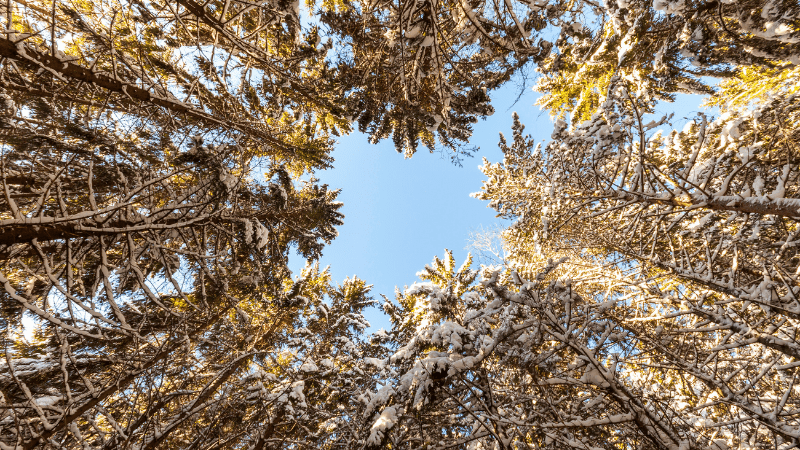
As ISA-Certified Arborists, we know that the long, cold winter months in the Prairies can be tough on your evergreen trees. While they may appear to be dormant, they are still susceptible to one of winter’s most deceptive threats: winter burn. This common condition can leave your beautiful cedars, pines, and spruce trees looking scorched and damaged just as spring is arriving.
Understanding winter burn—how to spot it, what causes it, and how to prevent it—is crucial for maintaining a healthy and vibrant landscape year-round.
Winter burn is often a surprise, as the damage appears in late winter or early spring, after the most severe cold has passed.
Look for distinct browning or yellowing of the needles.
The most important clue to identifying true winter burn is the location of the damage. Pay close attention to the areas with the highest exposure:
Unlike simple dormancy, this discoloration is a sign of serious dehydration and requires professional assessment if the damage is severe.
To an arborist, winter burn is a matter of severe water imbalance—a process also known as desiccation. The cause is simple yet unforgiving:
Winter burn is caused by moisture loss from the foliage when the roots are frozen and unable to replace it.
Evergreens lose moisture from their needles constantly through a process called transpiration (especially when needles are warmed by winter sun and wind). While the tree is attempting to hydrate, the surrounding soil is frozen solid, effectively locking the root system in a state where it cannot absorb water. The result is foliage that “drinks” more than the tree can provide, leading to the characteristic burnt appearance.
The good news is that winter burn is largely preventable with proper care and preparation before the deep freeze sets in. Our certified arborists recommend this as the single most important step. In late fall, before the ground freezes solid, ensure your trees are thoroughly saturated. Deep watering means providing a slow, long drink that penetrates the root zone, ensuring your evergreens enter the dormant season fully hydrated with a moisture reserve that will help them survive the winter dry-spell.
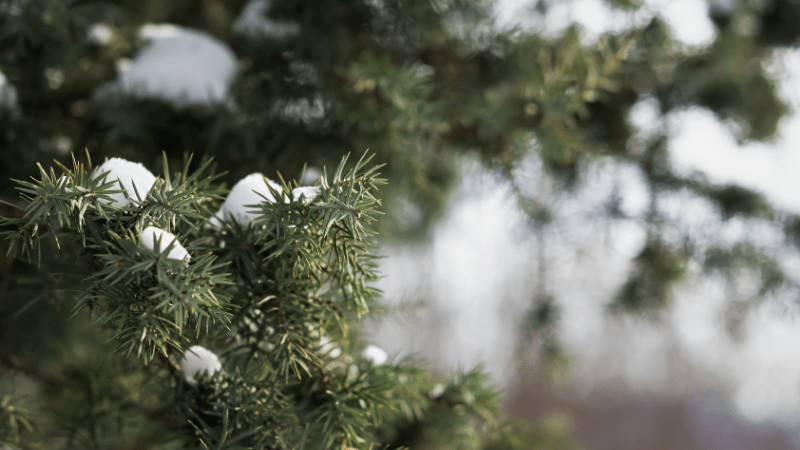
If you’ve noticed signs of winter burn on your evergreens, don’t wait. While minor damage can often be pruned away to encourage new growth, severe desiccation can be a death sentence if not properly managed.
Our team of ISA-Certified Arborists can assess the health of your evergreens, prune away damaged tissue to prevent disease, and develop a customized health plan—including fall watering and anti-desiccant treatments—to protect your landscape for the long term.
Don’t let winter damage surprise you in the spring. Contact us today for a free assessment and ensure your trees stay healthy and green.


