How to Care for Your Trees in the Intense Summer Heat
Summer in our part of the world is a welcome reprieve from the frigid temperatures...
READ MORE
Say hello to beautiful trees. Tell us your location to get the best tree care services for your area!

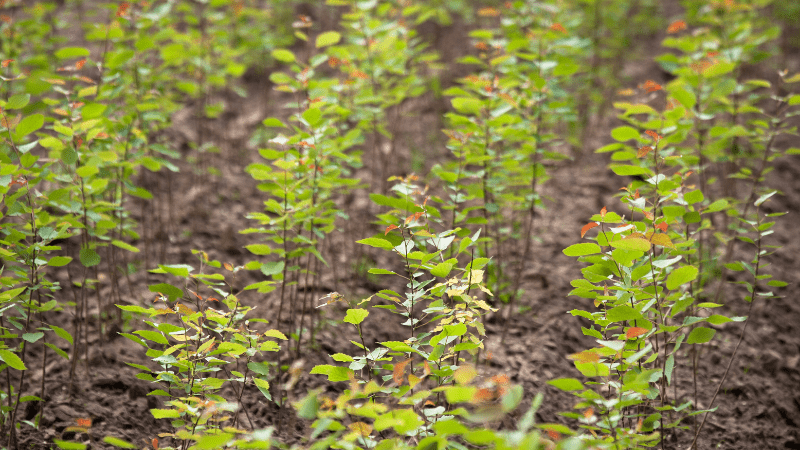
In the unique and often challenging climate of the Canadian Prairies, a thriving urban forest isn’t just a luxury—it’s a critical piece of municipal infrastructure. As arborists, we see first-hand how trees do the heavy lifting for our communities, from scrubbing the air and absorbing stormwater to keeping our streets cool during those scorching July afternoons.
However, for many small-to-mid-sized prairie municipalities, the desire to grow a lush canopy often hits a roadblock: the budget. Between road repairs and water services, the “green” portion of the budget can sometimes feel like an afterthought, leading to significant “canopy gaps” where neighborhoods are left underserved.
That’s where strategic grant funding comes in. It’s the bridge between a town’s vision for a greener future and the reality of getting shovels in the ground.
When people think of “greening grants,” they usually think of buying saplings. While planting is a major component, modern grant programs are designed to fund the entire lifecycle of an urban forest. This includes:
Across Western Canada, several heavy hitters are providing the capital needed to transform prairie landscapes. The Green Municipal Fund (GMF), delivered through the Federation of Canadian Municipalities, is a powerhouse for urban forestry plans. Programs like Growing Canada’s Community Canopies are also providing millions in federal support specifically for tree planting. Provincially, various NGO partnerships and climate resilience funds offer “matching” opportunities that allow a small municipal investment to go twice as far.
At Green Drop, we’re more than just service providers; we’re partners in these grant-funded journeys. We’ve worked with communities across the prairies—from the historic streets of Winnipeg and the growing suburbs of Saskatoon to smaller gems like Strasbourg, SK.
In these partnerships, we often assist with the “data currency” needed for a successful application. By providing professional assessments and science-backed planting plans, we help towns prove to grantors that their project is sustainable and ready for implementation. Whether it’s protecting Winnipeg’s iconic Elms or helping a small town establish its very first urban forest strategy, we see the transformation that happens when funding meets expertise.
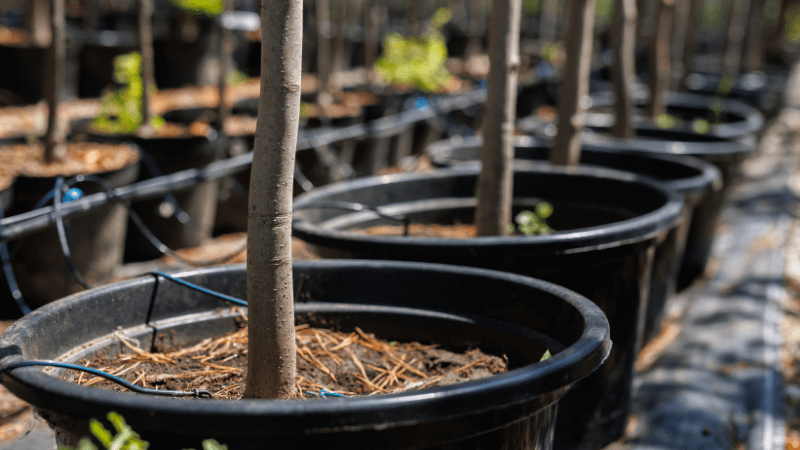
As arborists, we look at trees as an investment. Spending grant money today on a diverse, well-planted canopy leads to massive cost savings tomorrow:
Municipalities aren’t the only ones who can tap into greening resources. Homeowner Associations (HOAs) and community groups can often participate through “neighborhood matching grants” or by partnering with their city on larger initiatives. If your neighborhood has a canopy gap, start the conversation with your local council or community board. Many programs look for “shovel-ready” projects that have high resident buy-in.
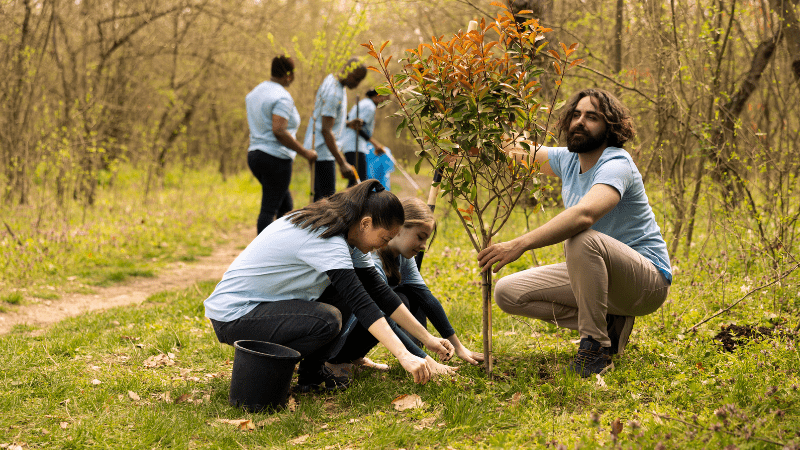
Here is the most important tip from an arborist’s perspective: Funding cycles and planting windows rarely align. The best time to apply for a grant for next year’s planting is now. Most grant deadlines occur in the winter or early spring, while the best planting windows in the prairies—when the soil is just right and the trees have the best chance to establish roots—are narrow.
If you wait until you see the leaves budding to look for funding, you’ve likely missed the boat for that year. Start your planning early, get your inventories in order, and let’s work together to grow the prairie canopy, one grant-funded tree at a time.
Ready to start planning your community’s urban forest strategy? Contact the Green Drop team today for a consultation with our ISA-Certified Arborists.


