How to Care for Your Trees in the Intense Summer Heat
Summer in our part of the world is a welcome reprieve from the frigid temperatures...
READ MORE
Say hello to beautiful trees. Tell us your location to get the best tree care services for your area!

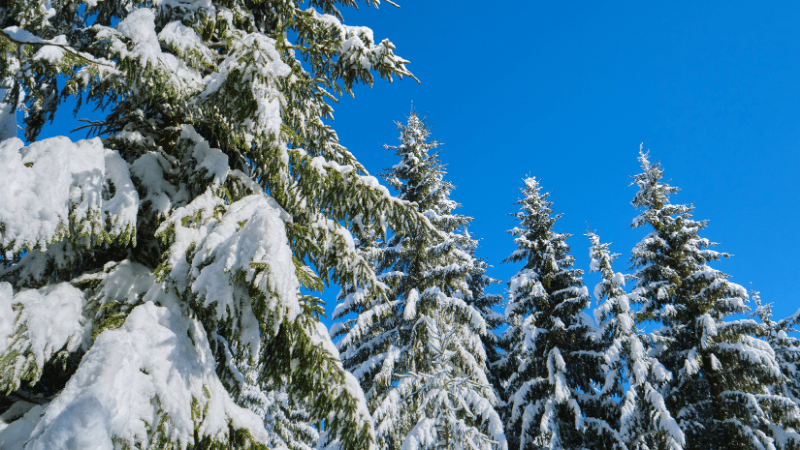
While deciduous trees settle into their winter slumber, shedding their leaves and standing as skeletal silhouettes against the gray sky, evergreens remain the steadfast sentinels of our landscapes. As arborists, we often call these trees the “backbone of the garden.” They don’t just survive the cold; they thrive in it, providing a vital splash of life when the rest of the world goes dormant.
At Green Drop, we believe a healthy urban canopy is a year-round commitment. Here is why evergreens are the unsung heroes of the winter season and how you can keep yours thriving through the frost.
The most immediate benefit of evergreens is, of course, their aesthetic appeal. When the vibrant golds and reds of autumn fade, the deep emeralds, silvery blues, and forest greens of Spruce, Pine, and Fir take center stage.
From an arborist’s perspective, evergreens provide architectural integrity. They offer “visual weight” to a property, ensuring that your landscape feels intentional and full even in the dead of January. Whether it’s the pyramidal perfection of a Colorado Blue Spruce or the soft, sweeping texture of a Cedar, these trees provide a necessary contrast to the starkness of winter, catching the light—and the snow—in ways that deciduous trees simply cannot.
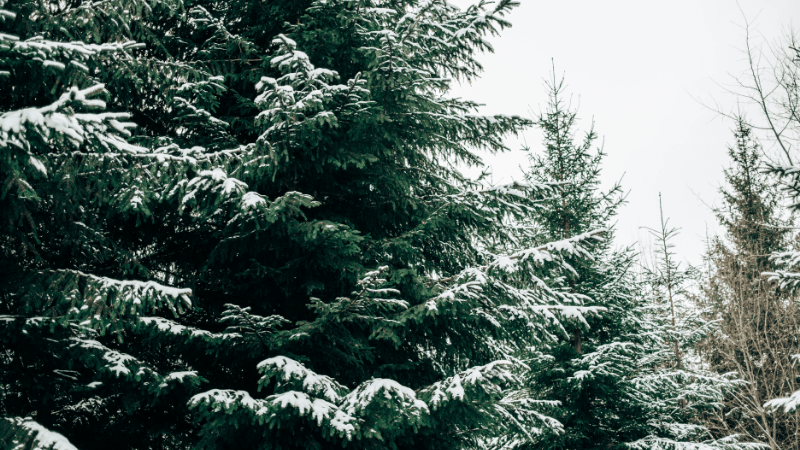
Beyond their beauty, evergreens perform several “ecosystem services” that make your property more comfortable and sustainable.
While evergreens are hardy, they are not invincible. Winter presents unique challenges, particularly regarding moisture and mechanical stress. To keep your healthy follow these three essential tips:
Evergreens continue to lose moisture through their needles all winter long (a process called transpiration). Because the ground is frozen, they cannot pull up new water to replace what is lost. The result? Winter burn.
Arborist Advice: Give your evergreens a deep, slow soak in late autumn right up until the ground freezes. Ensuring the root zone is fully hydrated is the best defense against winter desiccation.
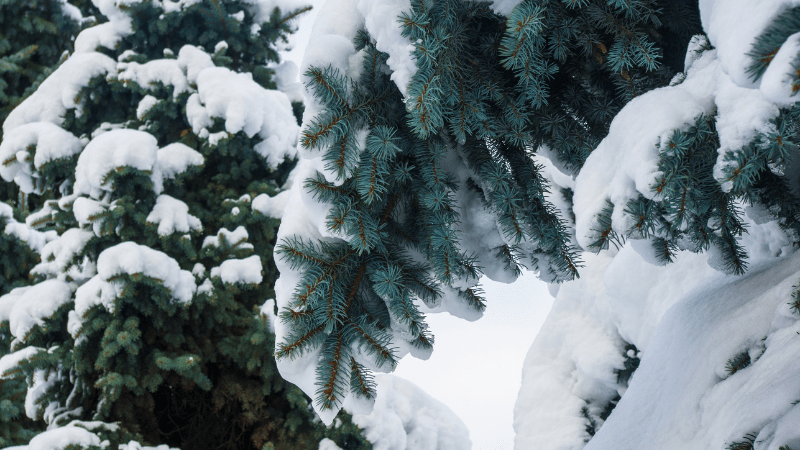
Heavy, wet snow can weigh down branches, leading to structural failure or “splayed” limbs.
Arborist Advice: If you see heavy accumulation, gently brush the snow upward with a broom. Never shake a frozen branch aggressively, as the wood is brittle in the cold and more prone to snapping. If ice has encased the branches, it is best to let it melt naturally to avoid bark damage.
Road salt is a common enemy of the evergreen. Salt spray from nearby roads or runoff from sidewalks can pull moisture away from the roots and needles, leading to browning and dieback.
Arborist Advice: If your trees are near a high-traffic area, consider a burlap screen for protection. In the spring, be sure to flush the soil with plenty of water to leach away any accumulated salts.
Planning for a Greener Winter
Winter is the season when we truly appreciate the resilience of the evergreen. These trees work tirelessly to provide us with privacy, warmth, and beauty during the coldest months of the year.
Whether you are looking to plant a new focal point or need a professional health assessment for your existing giants, the team at Green Drop is here to help. This winter, take a moment to step outside and appreciate the vibrant life in your own backyard—and remember, a little care today ensures a lush canopy for many winters to come.
Ready to enhance your winter landscape? Contact Green Drop today for a consultation with our ISA Certified Arborists.


