Year in Review: The End of a Growing Season
When you spend your days in the canopy, you get a unique, front-row seat to how changing weather, urban stress, and soil health impact our neighborhoods. As ISA Certified Arborists at Green Drop Tree Care, our goal isn’t just to trim or remove branches—it’s to protect and strengthen the living green infrastructure that makes Calgary, Edmonton, Red Deer, Saskatoon, Regina, and Winnipeg such vibrant places to live.
As another busy growing season comes to a close, it’s time for our annual year-in-review. Reflecting on the past twelve months gives us a chance to highlight the major tree care review findings from the field, look at common homeowner challenges, celebrate community successes, and share crucial lessons for the season ahead.
Key Tree Health Trends Seen This Season
Every season brings its own set of environmental pressures, and this year was no exception. In our regular yard assessments across Western Canada, our team identified three major health trends:
- Resurgent Fungal Pathogens: Late spring moisture in select regions triggered a surge in widespread fungal diseases, like Needle Cast in Spruce and Fire Blight on Ornamental Apple trees.
- Pest Outbreaks in Stressed Canopy: Opportunistic insect pests target trees already weakened by weather fluctuations. We saw an uptick in aphid infestations, scale insects, and wood-boring beetle damage across urban properties.
Common Issues Homeowners Faced
During our site visits, our arborists noticed several recurring obstacles that homeowners struggled to manage on their own:
- Girdling Roots: Many mature shade trees began showing signs of “strangling themselves” below the soil surface. Girdling roots wrap tightly around the trunk base, choking off vital water and nutrient flow.
- Improper Mulching (“Mulch Volcanoes”): We frequently came across mulch piled up directly against tree trunks. This trap traps moisture against the bark, creating an ideal entry point for decay and pests.
- Storm and Snow Load Hazards: Neglected deadwood or weak branch attachments led to sudden limb failures during unexpected windstorms and heavy wet snowfalls.
- Delayed Insect & Disease Treatment: Many property owners waited until major leaf drop occurred before seeking help. By that time, pest damage requires far more extensive treatment than early-season intervention.
Success Stories from Community Projects
It wasn’t all challenges—this year was packed with inspiring community highlights! At Green Drop, we believe healthy trees build stronger communities.
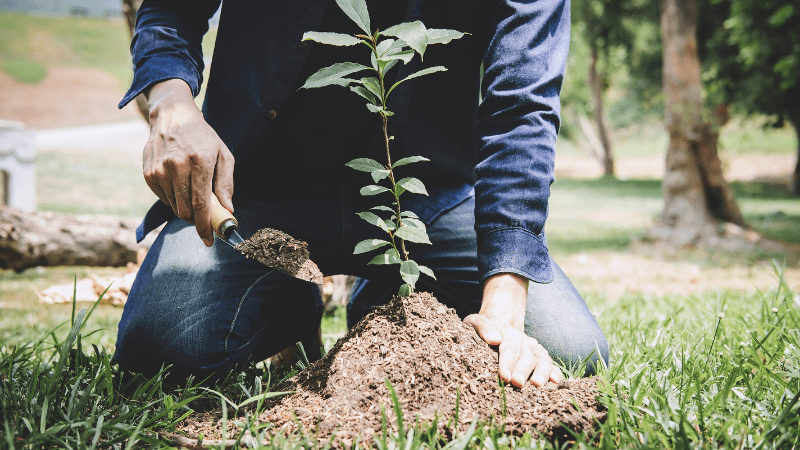
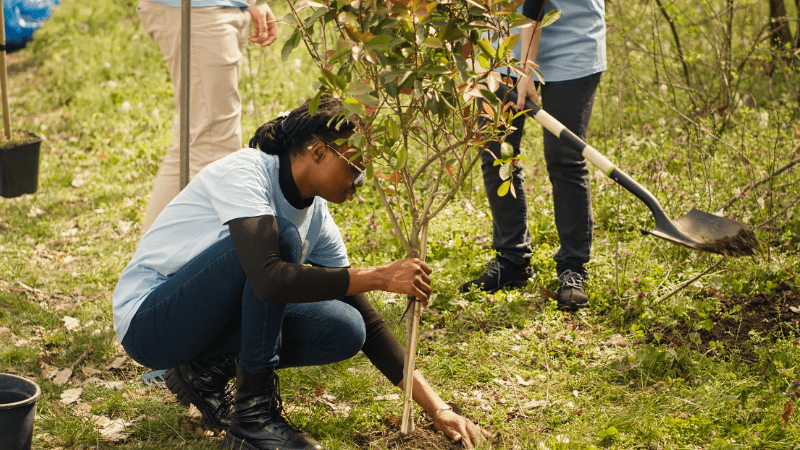
- Fisher Park Annual Clean-Up: We were proud to return for our 5th consecutive year participating in the Annual Fall Clean-Up and Community Celebration. Our ISA Certified Arborists led live demonstrations on proper tree planting, soil preparation, and staking following strict ANSI A300 standards.
- Urban Canopy Renewal Initiatives: Through our residential and municipal planting programs, we helped plant dozens of climate-resilient, native tree species across neighborhoods. Choosing the “right tree for the right place” ensures these saplings will thrive for decades.
- RootBoost™ Soil Revival: Across hundreds of yards, our deep root fertilization treatments (RootBoost™) successfully revived ailing mature trees suffering from nutrient-depleted soil and compacted urban clay.
Lessons Learned for Next Year
Looking back through our annual arborist review, a few essential takeaways stand out for every property owner:
- Follow the “Donut, Not Volcano” Mulch Rule: Keep mulch 2–3 inches deep and pulled back a few inches from the trunk base. Mulch should look like a flat donut, never a volcano touching the bark.
- Deep Watering Beats Frequent Shallow Sprinkling: Trees need deep root soaking, especially late in the fall before the ground freezes solid, to survive harsh prairie winters.
- Structural Pruning Saves Trees: Proper pruning isn’t just cosmetic—it guides growth, improves balance, thins out dangerous wind resistance, and eliminates hazardous deadwood before storms strike.
Encouraging Proactive Planning Moving Forward
If there is one overarching takeaway from this year’s review, it’s that proactive tree care is always simpler and more affordable than emergency reaction. Waiting until a mature tree exhibits severe canopy loss or structural failure often leaves removal as the only safe option.
By scheduling regular plant health consultations, deep-root feeding, and seasonal structural trimming, you safeguard your yard’s beauty, increase your home’s property value, and keep your local canopy thriving.
Ready to Protect Your Trees for Next Season?
Don’t wait for signs of distress to appear. Let Canada’s trusted team of ISA Certified Arborists inspect your landscape, diagnose hidden issues, and build a personalized year-round care plan.
Book Your Free Tree Assessment with Green Drop Today
Other Resources: